Source Eco Friendly Washable Pet House for Dogs, Cats, Small Pets
Find 30 eco friendly washable pet house options suitable for dogs, cats, and small animals. Compare models with waterproof or non-waterproof features, various sizes, and customizable logos from verified Chinese manufacturers; compare the available evidence and request quotations based on your requirements.
Key considerations
Products List


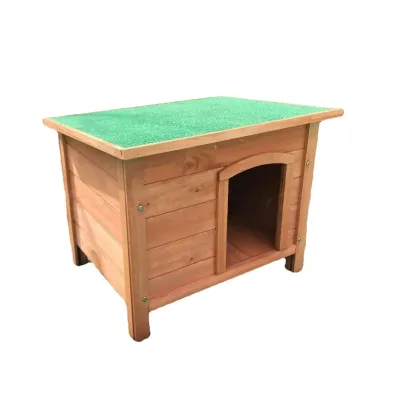


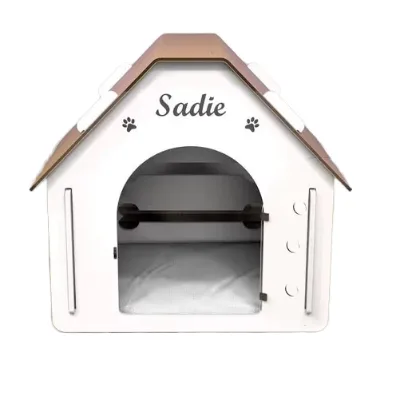


Comprehensive Sourcing Guide
Eco Friendly Washable Pet House Sourcing Guide
Procuring eco-friendly washable pet houses requires distinguishing between products that merely claim sustainability and those with verifiable material attributes. Buyers must prioritize items explicitly listing materials like polyester fiber or wood, as these form the basis for durability and environmental impact. The observed market data indicates a mix of plastic and fabric-based constructions, necessitating a careful review of the fill material and outer shell composition to ensure the product aligns with genuine eco-friendly standards rather than generic marketing terms.
Commercial listings often present conflicting attributes regarding waterproofing and washability, which directly impacts the product's lifecycle and maintenance requirements. While some entries specify "removable and washable" features with hand wash instructions, others list "not waterproof" characteristics that may limit outdoor utility. Sourcing teams must verify these specific functional claims against the intended application environment, ensuring the selected unit offers the necessary protection for pets while maintaining the ease of cleaning promised by the "washable" designation.
Product Scope and Observed Listing Signals
The current market inventory for pet houses spans various styles, including house-shaped structures and tent designs, catering to different pet sizes from small animals to larger breeds. Listings frequently highlight customization options for logos and colors, with observed variations ranging from multicolor and black to gray finishes. Buyers should note that while some products are marketed as suitable for dogs, others are explicitly designated for cats or small pets, requiring precise matching of the product type to the target animal demographic.
Observed listing signals reveal significant variability in packaging and dimensions, with some units arriving folded and others in carton packaging with specific standard dimensions. The presence of models like TK-DH-006 and CW series indicates a diverse range of structural designs, yet the absence of a unified standard for "eco-friendly" definitions creates confusion. Procurement specialists must scrutinize the "suitable for" and "style" attributes to filter out items that do not meet the specific spatial or aesthetic requirements of their retail or corporate clients.
Technical Specifications to Verify
Material composition is the primary technical factor determining the eco-friendly status of a pet house, with observed listings citing plastic, wood, and polyester fiber as common inputs. Buyers must verify the specific type of polyester fiber used, as not all synthetic fills are created equal regarding recyclability or biodegradability. Additionally, the distinction between "without mattress" and "memory foam" standards in the data suggests a need to clarify the internal structure, ensuring the chosen model provides adequate comfort without compromising the environmental profile of the core materials.
Dimensional accuracy and structural integrity are critical for both shipping efficiency and end-user satisfaction, as observed packing sizes vary widely from 655055cm to larger configurations. The presence of specific size codes like M, L, XS, and XL indicates a need to confirm the exact footprint of the product against the available space in the target market. Furthermore, verifying the "folded" status of certain units is essential for logistics planning, as this feature significantly reduces shipping volume and associated carbon emissions compared to rigid, non-collapsible structures.
Compliance and Safety Documentation
While the provided data does not explicitly confirm certifications like Oeko-Tex or GOTS, buyers must demand third-party testing reports to validate safety claims for materials in direct contact with pets. The absence of listed certifications in the source facts necessitates a proactive approach where suppliers are required to provide evidence of non-toxic dyes and safe adhesives, particularly for products marketed as "eco-friendly." Without these documents, the sustainability claims remain unverified, posing a potential risk to brand reputation and consumer trust in the safety of the pet environment.
Safety documentation should also address the structural stability of the pet house, ensuring it meets general safety standards for animal housing. Buyers should request test results related to material flammability and chemical leaching, especially for plastic and wood components that may be exposed to sunlight or moisture. Establishing a baseline for safety compliance is crucial, as the "protective" feature listed in some attributes implies a duty of care that extends beyond mere aesthetics to the physical well-being of the animal.
Cost Drivers and Commercial Terms
Minimum Order Quantities (MOQ) represent a significant variable in the total cost of ownership, with observed ranges spanning from 100 to 1000 pieces depending on the specific model and customization level. Buyers must balance the economies of scale offered by higher MOQs against the inventory risk of holding large stock of specialized pet houses. The variation in MOQs, such as the 200-piece requirement for some items versus 100 for others, suggests that pricing structures are highly sensitive to order volume and the complexity of the customization requested.
Customization services, including logo printing and color selection, introduce additional cost drivers that must be factored into the final landed cost. While many suppliers accept customized logos and offer OEM/ODM services, these value-added features often come with higher unit prices or extended lead times. Procurement teams should negotiate clear terms regarding the cost impact of these customizations, ensuring that the "customized" attribute does not inadvertently inflate the budget beyond the target price point of 1.84 to 50 USD per unit.
Supplier Qualification and Quality Control
Supplier qualification should focus on verifying the origin of materials and the manufacturing processes used to ensure consistency with eco-friendly claims. The observed data points to origins in Zhejiang and Jiangsu, China, regions known for diverse manufacturing capabilities, but buyers must confirm that the specific factories adhere to sustainable production practices. Requesting audits of the supply chain for raw materials like wood and polyester fiber is essential to validate that the "eco-friendly" label is backed by responsible sourcing rather than superficial marketing.
Quality control protocols must be established to monitor the consistency of washability and structural durability across production batches. Since some listings indicate "hand wash" instructions while others imply machine washability, suppliers must provide clear guidelines on how to maintain the product's integrity over time. Implementing a pre-shipment inspection process that tests the "removable and washable" features and checks for material defects will help mitigate the risk of receiving substandard goods that fail to meet the promised performance standards.
Long-Term Procurement Checks
Sustainability in pet housing is a long-term commitment that requires ongoing verification of material performance and environmental impact. Buyers should establish a schedule for re-evaluating supplier claims regarding the biodegradability or recyclability of the materials used, as industry standards and consumer expectations evolve rapidly. Regular audits of the supply chain ensure that the "eco-friendly" designation remains valid and that the supplier continues to meet the ethical and environmental benchmarks set during the initial sourcing phase.
Market feedback and product durability data should be collected continuously to assess the real-world performance of the pet houses. Monitoring return rates and customer complaints regarding washability or structural failure will provide critical insights into the longevity of the product line. By maintaining a feedback loop with end-users, procurement teams can identify areas for improvement and ensure that the selected pet houses continue to deliver value and safety for pets over their intended lifespan.
FAQs
Can I customize the logo on eco friendly washable pet houses?
Yes, customized logos are accepted for these pet houses. Buyers can request specific branding to align with their business identity. This customization service is available for various models, allowing for unique product differentiation in the market while maintaining the core functional attributes of the pet shelter.
What materials are used in these eco friendly washable pet houses?
These pet houses are constructed from plastic and wood materials. Some models feature polyester fiber fill for added comfort. The combination of durable materials ensures longevity, while the design supports easy maintenance. Buyers should verify specific material compositions for each model to ensure they meet their quality standards.
Are these pet houses waterproof or water resistant?
Product attributes indicate mixed specifications regarding water resistance. Some models are explicitly described as waterproof, while others are noted as not waterproof. Buyers must check the specific product model details to determine the exact level of protection against moisture, ensuring the selected item suits their intended usage environment.
What is the minimum order quantity for these pet houses?
The minimum order quantity varies by supplier and model. Observed MOQs range from 100 to 1000 pieces, with some specific listings requiring 200 pieces. Buyers should confirm the exact MOQ with the supplier before placing an order to ensure it aligns with their inventory requirements and budget constraints.
How should I clean the eco friendly washable pet houses?
Wash instructions typically recommend hand washing for these pet houses. Some features include removable and washable components for easier maintenance. Buyers should follow the specific care labels provided with each model to preserve the material integrity and ensure the pet house remains hygienic and comfortable for small animals and cats.
Which sizes are available for these pet houses?
Available sizes include XS, M, L, and XL, with some models offering specific dimensions like 88x78x89cm. Buyers can select the appropriate size based on the pet's breed and weight. The variety of sizes ensures that both small pets and cats can find a comfortable and secure shelter that fits their needs.